Notas de energías renovables

Aquí puede comentar todo aquello que no sea de política, de economía, de temas sociales del día a día
Fermat
Mensajes: 1967
Registrado: Mié Mar 02, 2022 5:42 am

Re: Notas de energías renovables

Mensaje por Fermat »

Un tanto propaganda, pero de todas maneras..

Video: Wave-amplifying generator bounces twice as high as the swells
Loz Blain, March 07, 2024

Imagen
CorPower's 62-foot-high C4 has exceeded expectations in ocean testing CorPower

Sweden's CorPower has announced "breakthrough" results from Atlantic ocean testing of its full-scale floating generators, which cleverly time their motions to amplify smaller waves while protecting themselves against dangerous storm conditions.

In a mechanical sense, this is a pretty standard looking anchored buoy point absorber type system; waves lift a floaty air-filled chassis up and down, and a power takeoff system within harvests energy by converting that linear up and down movement into rotation for running generators.

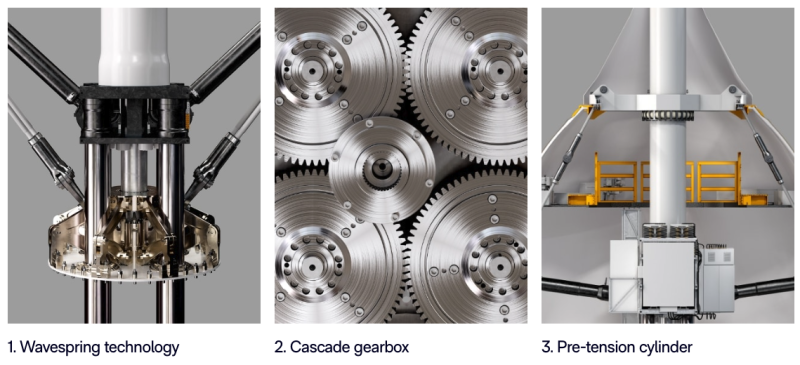
CorPower says it's a novel phase control technology called WaveSpring that sets its huge C4 buoys apart. An internal pneumatic cylinder is pre-tensioned to pull the buoy downwards, such that in the absence of active control, the buoy simply sits still in "transparent" mode no matter how high the waves get. This acts as a safety mechanism under the worst conditions.


How it works- CorPower Ocean Wave Energy Converters

But when waves are more reasonable, things get weird and the C4 starts bobbing up and down twice as far as the amplitude of the waves, by adjusting the phase of its movements. That is, it doesn't rise at the exact same time as the wave does, it lags behind to get a little extra energy boost, which propels it higher.

The effect makes a huge difference to power generation; CorPower claims a 300% increase in power generation compared to a similar buoy without Wavespring phase adjustments.

It's also remarkable to watch, as you can see at around 0:45 in the video below – particularly given that these buoys are so dang big – 19 m (62 ft) tall and 9m (30 ft) in diameter.


Reflections after three months in the water.

CorPower has just hauled this C4 in after six months at an exposed test site in the Atlantic ocean off Aguçadoura, Portugal, where it's been connected to the grid and exporting power. In November, the weather treated CorPower to the perfect survivability test, delivering monster 18.5-m (61-ft) waves – higher than any previously measured. The C4 went into "transparent" mode and rode out the storm without issue.

The team recorded a peak power export around 600 kW, but says the device was limited in both velocity and stroke during the test. It expects to see peak output around 850 kW when it's run at full capacity.

Running test data against the C4's digital twin, CorPower engineers discovered they'd been slightly underestimating its power generation capabilities, so things are definitely on track there.

Now, the buoy is getting a planned checkup back on dry land, where it'll be studied to see how it's held up at sea, and upgrades and adjustments will be made before it's towed back to its site. That's one clear benefit of this kind of design; you can very easily hook and unhook these machines for maintenance back at port.

Getting down to tin tacks, CorPower has projected a Levelized Cost of Energy (LCoE) in the range of US$33-44 per megawatt-hour once it's deployed 20 gigawatts of capacity. That would be a pretty competitive price, given that wave energy is pretty much 24/7 and can fill in the gaps when wind and solar aren't delivering.


CorPower Ocean - Wave farms

20 GW is a whole lotta buoys though. More than 20,000 of them. So it'll take a while to get that LCoE down to a manageable level. Next step, says the company, will be a multi-buoy site where the concept can start to be tested in something closer to a commercial rollout.

Does this work at scale? We sure hope so, and to the extent that acreage is an issue on the high seas, CorPower says these things can extract 3-5 times more power from a given square kilometer of ocean than a floating offshore wind installation. But wave and tidal energy projects tend to move at a frustratingly slow pace – well, compared to things like large language model AIs, I suppose everything moves slowly.

And AI is part of the problem. Yes, the world needs to decarbonize its existing power generation capacity. Yes, we also need enough clean power to cover all the cars, trucks, furnaces and everything else that's electrified as we shoot for zero emissions by 2050.
Imagen
The generator and wavespring tech can be maintained on-site; the interior of the buoy is dry CorPower

But as Elon Musk recently pointed out, we'll also need to feed another rising behemoth as millions upon millions of high-powered AI chips start gulping electricity at horrendous rates to train and run next-gen AI models. Musk is predicting electricity shortages will start becoming a problem as early as next year.

So we'll need all the clean energy initiatives we can practically get operational. CorPower seems well-funded, it seems to have a decent-looking solution that's scalable, hardy and very close to production-ready. So get cracking, guys! We'd love to see it succeed at scale.

Source: CorPower

https://newatlas.com/energy/corpower-wavespring/

Fermat
Mensajes: 1967
Registrado: Mié Mar 02, 2022 5:42 am

Re: Notas de energías renovables

Mensaje por Fermat »

Biogás: mayor estabilidad de red y menor (necesidad de) almacenamiento gracias a un control innovador
Erneuerbare energien, 14/02/2023

Imagen
La planta de investigación de biogás de la Universidad de Hohenheim “Unterer Lindenhof” Eningen - © Eyb, Universidad de Hohenheim

El proyecto Powerland 4.2 muestra cómo las plantas de biogás flexibles pueden generar carga residual sin descuidar el suministro de calor. Y los operadores también pueden ahorrar.

Seguir suministrando electricidad y calor de forma flexible sin un gran depósito de gas: según los científicos, esto es posible con un innovador sistema de control para una planta de biogás. En el proyecto PowerLand 4.2, la Universidad de Hohenheim, la Universidad de Reutlingen y Novatech GmbH desarrollaron y probaron un sistema de control de este tipo para un sistema totalmente automatizado que suministra electricidad y calor renovables según sea necesario. Gracias a las previsiones de demanda de energía y a una alimentación adaptada y flexible, los operadores de plantas de biogás también podrían ahorrar en inversiones en mayores instalaciones de almacenamiento de gas, según un comunicado de prensa de la Agencia de Materias Primas Renovables (FNR).

El foco en la carga residual y el suministro confiable de calor a conjuntos habitacionales
El objetivo del proyecto fue la llamada carga residual en los deficits de energía solar y eólica: la electricidad procedente de plantas de biogás flexibles puede llenar el deficit entre la generación de electricidad eólica y solar, que depende de las condiciones meteorológicas, y la demanda real. El operador de biogás suele basar sus cálculos en los precios del mercado de intercambio de electricidad.

En el proyecto PowerLand 4.2, los investigadores querían ir más allá y centrarse en las necesidades de electricidad y calor de un conjunto habitacional. La planta de biogás debería proporcionar electricidad y calor de la forma más completa y automática posible. Los precios de intercambio de la electricidad no son suficientes para ello. Según los científicos, lo que se necesita es un sistema de control inteligente para la central combinada de cogeneración (CHP) de la planta de biogás. Este debe conocer y procesar información sobre las necesidades locales de electricidad y calor, los niveles de llenado de los sistemas de almacenamiento de calor y biogás y la producción de todos los demás sistemas renovables in situ para los próximos días y establecer calendarios razonables para la cogeneración y la alimentación futura de las plantas de biogas

Alimentación inteligente de la planta de biogás
Uno de los objetivos del proyecto era un método optimizado de control compatible con la red (eléctrica), basado en la necesidad de calor. Así, la cogeneración tenía que conectarse apenas hubiese necesidad de calor y el acumulador de calor estaba vacío, incluso sin necesidad de carga residual. En todos los demás casos, sin embargo, la CHP debería cerrar el déficit de energía. También era necesario alimentar la planta de biogás de forma tan "inteligente" que el lento proceso de biogás garantizara que estuviera disponible la cantidad adecuada de gas en el momento adecuado para el programa de cogeneración.

Según FNR, el investigador desarrolló un modelo práctico de predicción de la producción de biogás con un determinado suministro, así como un método basado en éste para diseñar planes de suministro ajustados a las necesidades de gas. Añade que en una prueba real que duró varias semanas en la estación de investigación "Unterer Lindenhof" de la Universidad de Hohenheim, el sistema demostró su utilidad. La estación cuenta con una planta de biogás, una red de calefacción y un consumo energético aproximadamente equivalente al de un pueblo de 130 habitantes. Especialmente para la prueba se instaló paneles fotovoltaicos, cuya producción estaba prevista en los modelos.

“La precisión del sistema es buena”
"El esfuerzo computacional necesario para calcular los planes de suministro es sorprendentemente bajo y la precisión del sistema es realmente buena", afirma el director del proyecto Andreas Lemmer de la Universidad de Hohenheim. En general, la desviación entre las necesidades de electricidad calculadas y reales fue del 4,4 por ciento, y la necesidad de calor entre el 7 y el 9 por ciento. También resultó que la cogeneración alivió la carga de las redes sin descuidar su papel como proveedor de calor: se liberó mucho menos exceso de electricidad a la red, y en caso de cuellos de botella, se importó de ella mucho menos electricidad.

"Una gran ventaja es que el operador recibe continuamente información sobre la relación entre la alimentación y la producción de gas resultante", continúa Lemmer. "Si esta relación cambia, podría ser un indicio de una interrupción incipiente del proceso".

La flexibilidad permite mayores ingresos por electricidad
Según los científicos, el control de plantas de cogeneración y de biogás desarrollado en PowerLand 4.2 también se puede utilizar fácilmente en otros lugares y es especialmente adecuado para sistemas que suministran calor a consumidores. Lo único que se necesita son los datos de funcionamiento, que normalmente se registran de todos modos. “La principal ventaja de nuestro enfoque en comparación con un sistema clásico y flexible es que, con la ayuda de una alimentación basada en las necesidades, podemos ahorrar costosas inversiones en instalaciones de almacenamiento de gas más grandes. En comparación con las plantas de biogás no flexibles y de funcionamiento continuo, los operadores también generan mayores ingresos por electricidad”, explica Lemmer. (kw)

https://www.erneuerbareenergien.de/tech ... -steuerung
Fermat
Mensajes: 1967
Registrado: Mié Mar 02, 2022 5:42 am

Re: Notas de energías renovables

Mensaje por Fermat »

Una nota de prensa del fabricante, pero de interés de todas maneras...

Lithium-free sodium batteries exit the lab and enter US production
C.C. Weiss, May 02, 2024

Imagen
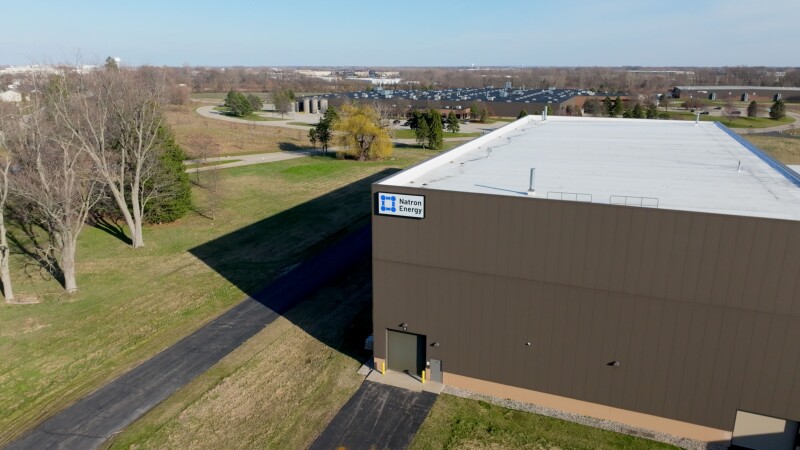
Blue has become Natron Energy's signature color owing to the patented Prussian Blue electrons it uses for the fast, frequent transfer of sodium ions that underpin its claims of 10 times lithium-ion's cycling speeds and a 50,000-cycle lifespan Natron Energy

Two years ago, sodium-ion battery pioneer Natron Energy was busy preparing its specially formulated sodium batteries for mass production. The company slipped a little past its 2023 kickoff plans, but it didn't fall too far behind as far as mass battery production goes. It officially commenced production of its rapid-charging, long-life lithium-free sodium batteries this week, bringing to market an intriguing new alternative in the energy storage game.

Not only is sodium somewhere between 500 to 1,000 times more abundant than lithium on the planet we call Earth, sourcing it doesn't necessitate the same type of earth-scarring extraction. Even moving beyond the sodium vs lithium surname comparison, Natron says its sodium-ion batteries are made entirely from abundantly available commodity materials that also include aluminum, iron and manganese.

Furthermore, the materials for Natron's sodium-ion chemistry can be procured through a reliable US-based domestic supply chain free from geopolitical disruption. The same cannot be said for common lithium-ion materials like cobalt and nickel.

Sodium-ion tech has received heightened interest in recent years as a more reliable, potentially cheaper energy storage medium. While its energy density lags behind lithium-ion, advantages such as faster cycling, longer lifespan and safer, non-flammable end use have made sodium-ion an attractive alternative, especially for stationary uses like data center and EV charger backup storage.

Founded in 2013, Natron has been one of the pioneers in this new wave of sodium-ion research and innovation. And while most sodium-ion designs remain in the laboratory, Natron has switched on one of the first major production operations globally. It celebrated the official production kick-off earlier this week with a ribbon-cutting ceremony at its Holland, Michigan manufacturing facility, calling it the first-ever commercial-scale production of sodium-ion batteries in the US.

"Sodium-ion batteries offer a unique alternative to lithium-ion, with higher power, faster recharge, longer lifecycle and a completely safe and stable chemistry," Natron founder and co-CEO Colin Wessells said at the event. "The electrification of our economy is dependent on the development and production of new, innovative energy storage solutions. We at Natron are proud to deliver such a battery without the use of conflict minerals or materials with questionable environmental impacts."

Imagen
Natron has begun production at its Holland, Michigan facility Natron Energy

Natron says its batteries charge and discharge at rates 10 times faster than lithium-ion, a level of immediate charge/discharge capability that makes the batteries a prime contender for the ups and downs of backup power storage. Also helping in that use case is an estimated lifespan of 50,000 cycles.

We haven't seen a weight-based energy density figure from Natron itself, but a 2022 article from Chemical & Engineering News put its sodium-ion batteries at 70 Wh/kg, around the very bottom of the sodium-ion energy density scale. That aligns well with the company's stationary-only business plan, as sodium-ion batteries being pursued for potential mobility use have more than double that density. CATL showed a 160 Wh/kg sodium-ion battery in 2021 and has plans to increase that density over 200 Wh/kg to better meet the needs of electric vehicles.

Natron's plans call for the Holland facility to crank production up to 600 megawatts annually at full tilt, serving as a model for future gigawatt-scale facilities. In the two years since we last looked at Natron's plans, AI has grown a whole lot more power-hungry so it's not surprising the company's initial target is AI data storage centers, where it's fast-cycling batteries could become an essential power management tool. It plans to begin the first deliveries in June.

Natron intends to expand its focus to other industrial power markets in the future, mentioning EV fast-charging and telecommunications as targets.
Source: Natron

https://newatlas.com/energy/natron-sodi ... on-startt/
Fermat
Mensajes: 1967
Registrado: Mié Mar 02, 2022 5:42 am

Re: Notas de energías renovables

Mensaje por Fermat »

Otra noticia/publireportaje pero interesante idea igual.

Sea-bed 'air batteries' offer cheaper long-term energy storage
Loz Blain, 06/05/2024

Imagen
BaroMar says its undersea compressed energy storage system creates an air battery cheaper than any other for long-duration storage - BaroMar

Israeli company BaroMar is preparing to test a clever new angle on grid-level energy storage, which it says will be the cheapest way to stabilize renewable grids over longer time scales. This innovative system lets water do the work.

The zero-carbon energy grid of the future looks remarkably complex. Solar, wind and other renewable energy sources will all contribute power when they can – but this won't match up with demand, so energy storage and release measures will be critical. And these will be needed for a range of different time scales. Some will need to smooth out daily peaks and troughs. Others will operate between days and weeks, filling in when overcast weather makes for a couple of days of poor solar output.

And then there's long-duration storage, which will attempt to stash electrons for the winter, when there'll be a seasonal lull in solar generation that wind might not make up. That's the area BaroMar wishes to address with its interesting take on compressed air energy storage (CAES).

CAES involves using excess energy to run compressors, typically pumping air into large, rigid tanks where it can be stored at high pressures, then released through some kind of turbine that can drive a generator to recover the energy. It's already quite a cost-effective energy storage option – but BaroMar says it can beat traditional systems over long-duration energy storage using an amusingly low-tech solution.

Imagen
Cages full of heavy rocks pin these cheap concrete/steel tanks to the sea floor BaroMar

Basically, the company's plants will be stationed near coastlines with access to deep water. And instead of large high-pressure tanks, BaroMar uses the pressure of the water column to store compressed air in much cheaper enclosures.

We're talking a series of big, cheap, dumb, concrete and steel tanks with cages full of rocks on top of them, to keep them submerged at between 200-700-meter (650-2,300-ft) depths. These tanks have a number of water-permeable valves around them and start out completely full of seawater. The compressor and generator systems live close by on dry land, and when there's excess energy to be soaked up, the compressor feeds ambient air down to these tanks through long hoses at 20-70 bar (290-1,015 psi), depending on the depth.


BaroMar - Sustainable and cost effective underwater Compressed Air Energy Storage
The compressed air forces water out of the tanks – but since the hydrostatic pressure of the external water equalises against the internal air pressure, the tanks don't need to be anywhere near as strong or expensive as land-based tanks that need to hold high-pressure internal air against regular atmospheric pressure on the outside.

When it's time to recoup the energy, the system allow air to run back up the hose into a thermal recovery system, followed by a turbo-expander that drives a generator. At the other end, water rushes back into the tank, ready to be displaced again when the compressor is running.

According to engineering consultancy Jacobs, which has been appointed to design a pilot project in Cyprus, the target is a round-trip efficiency around 70% – about the same as the world's largest CAES plant (a 100-MW, 400 MW/h installation in Zhangjiakou, northern China), and a very high efficiency compared to traditional compressed air systems. This underwater pilot will, of course, be much more modest, storing just 4 MWh.

Imagen
Energy is recovered through a turbo expander/generator at a targeted 70% round-trip efficiency BaroMar

BaroMar claims it should beat competing long-duration energy storage (LDES) options on cost, thanks to its long-lasting, very low-cost tanks and low-to-zero underwater maintenance costs. Running a 100 MW/1 GWh installation 350 days per year for 20 years, BaroMar says it can deliver a Levelized Cost of Storage (LCoS) of US$100 per MWh, as compared to "other LDES technologies" which, it claims, come in closer to $131/MWh.

Of course, there are challenges with anything that's designed to operate for 20 years under the sea. Jacobs, tasked with actually designing the thing to a standard that can be built, hints at the hurdles ahead. "This project requires extensive geophysical, geotechnical and bathymetric surveying, investigation, feasibility studying and permitting for tank installation at deep depths for onshore mechanical and electrical equipment needs," said Jacobs Vice President Fiachra Ó Cléirigh in a press release.

Still, the cost-effective and scalable solutions are going to win in the new renewable grids – and if BaroMar's idea does what the company claims, it'll be relevant to plenty of locations, since cities are so often close to the coast. We look forward to hearing more about this project.

Source: BaroMar and Jacobs via CleanTechnica

https://newatlas.com/energy/baromar-com ... nderwater/
Fermat
Mensajes: 1967
Registrado: Mié Mar 02, 2022 5:42 am

Re: Notas de energías renovables

Mensaje por Fermat »

Thermal power cell harvests electricity from heat at record efficiency
Michael Irving, 27/05/2024

Imagen
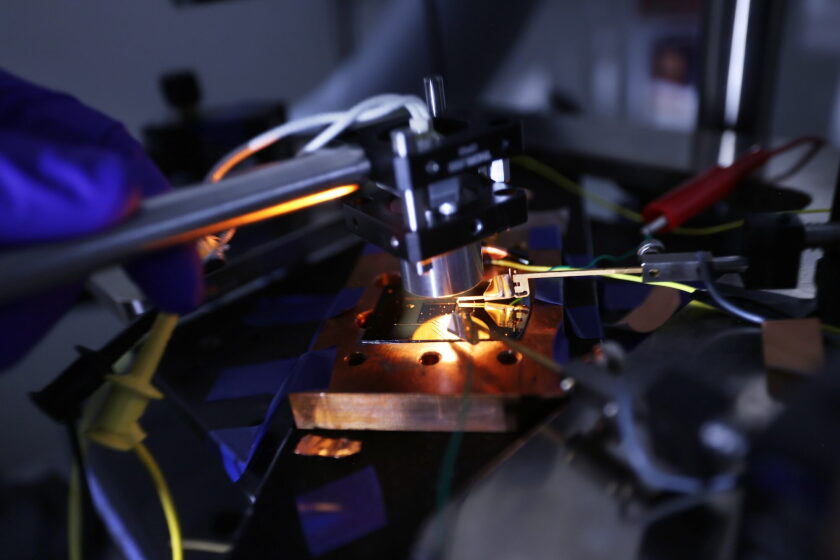
A small lab test of the new thermophotovoltaic cellBrenda Ahearn, Michigan Engineering

A new heat-to-energy converter has reached a record efficiency of 44% – the average steam turbine manages about 35%, for comparison. This thermophotovoltaic cell is a major step on the way to sustainable, grid-scale renewable energy storage.

With renewable energy prices dropping fast, the barrier now is their intermittency – the first point any renewable energy skeptic will throw at you is “but what happens at night or when the wind isn’t blowing?” A little thing called “batteries” can help there, and there’s no shortage of grid-scale storage systems that can save energy for (literally) rainy days. That includes scaling up classics like lithium-ion batteries, or more experimental designs like iron-air, water-in-salt, flow batteries, or a variety of gravity-based systems.

One of the most promising avenues is storing energy as heat. The medium itself can be broad – sand, molten salt, volcanic ash, carbon blocks, clay bricks and many others are in the works – but unfortunately getting the energy back out of heat and turning it into electricity can be the tricky part.

That’s where the new system comes in. Developed by researchers at the University of Michigan, this device works on the principle of thermophotovoltaics. It’s similar to solar cells, which are photovoltaic, generating electricity (volts) from light (photons). Thermophotovoltaics obviously add heat (thermo) to the mix. In practice, that means they absorb photons from the infrared part of the spectrum, rather than the higher-energy, visible-light photons that solar cells capture.

The new thermophotovoltaic cell was tested with silicon carbide as the heat-storage material, although it could be swapped out for whatever else works. This is surrounded by a semiconductor material made of indium, gallium and arsenic, carefully designed to capture the broadest range of photons, and specifically those produced by the heated material.

When the team heated the material to 1,435 °C (2,615 °F), it starts radiating thermal photons at a range of energy levels, with 20 to 30% of them able to be captured by the semiconductor. To make use of some of those with higher or lower energies, the cell contains a thin layer of air after the semiconductor, followed by a gold reflector layer. This bounces some photons back to the semiconductor to be converted into electricity, while others bounce back to the heat storage material, giving them another chance of being emitted as the right kind of photon.

Imagen
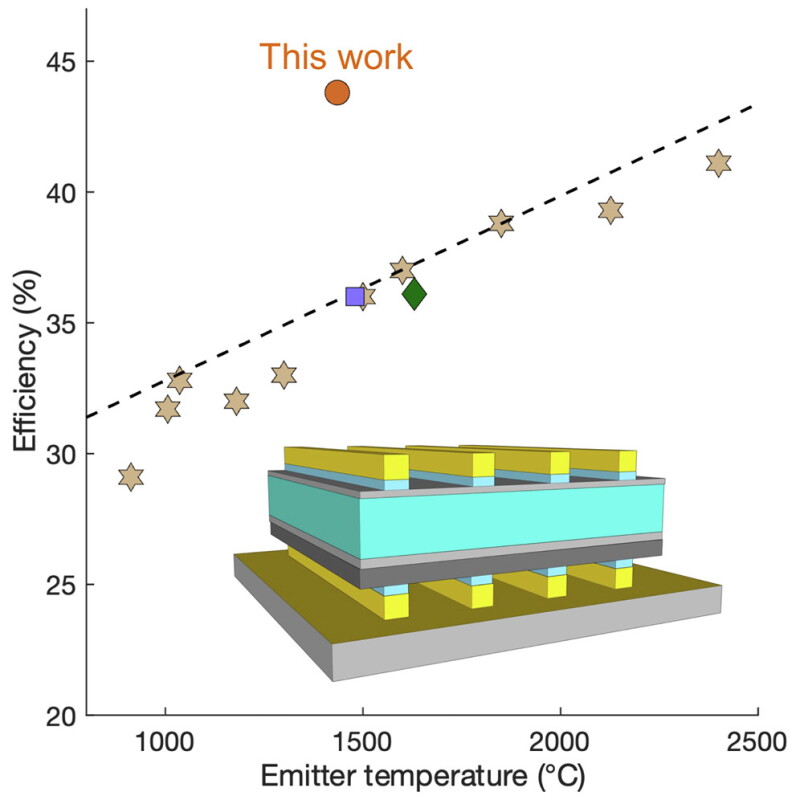
A diagram of the new thermophotovoltaic cell, along with a chart of its performance against others of its typeRoy-Layinde et al.

This design results in a total power conversion efficiency of 44%. That makes it much more efficient than others that operate at the same temperature, which top out at 37%. Other designs have surpassed 40% before, but they work at much higher temperatures that can be less feasible in many situations.

The idea is that the storage material can be heated up using electricity generated by a wind or solar farm, or directly absorbing excess heat from industrial processes or solar thermal energy systems. It might only have half the efficiency of lithium-ion batteries, but being much safer and cheaper to make and run means it’s still cost-effective to throw out half your electricity anyway, especially since it’s no longer a finite resource. The team says that there’s still some room to grow, too.

“We’re not yet at the efficiency limit of this technology,” said Stephen Forrest, contributing author of the study. “I am confident that we will get higher than 44% and be pushing 50% in the not-too-distant future.”

The research was published in the journal Joule.(NB! Por subscripción)

Source: University of Michigan
https://newatlas.com/energy/heat-batter ... y-storage/
Fermat
Mensajes: 1967
Registrado: Mié Mar 02, 2022 5:42 am

Re: Notas de energías renovables

Mensaje por Fermat »

Un parque eólico marino suministra energía continua gracias a un tanque de almacenamiento en el fondo marino
André Oerlemans, 30/05/2024

La nueva empresa holandesa FLASC ha desarrollado un sistema para almacenar in situ el exceso de electricidad procedente de parques eólicos marinos. Así el parque eólico puede suministrar energía cuando no hay viento.

Imagen
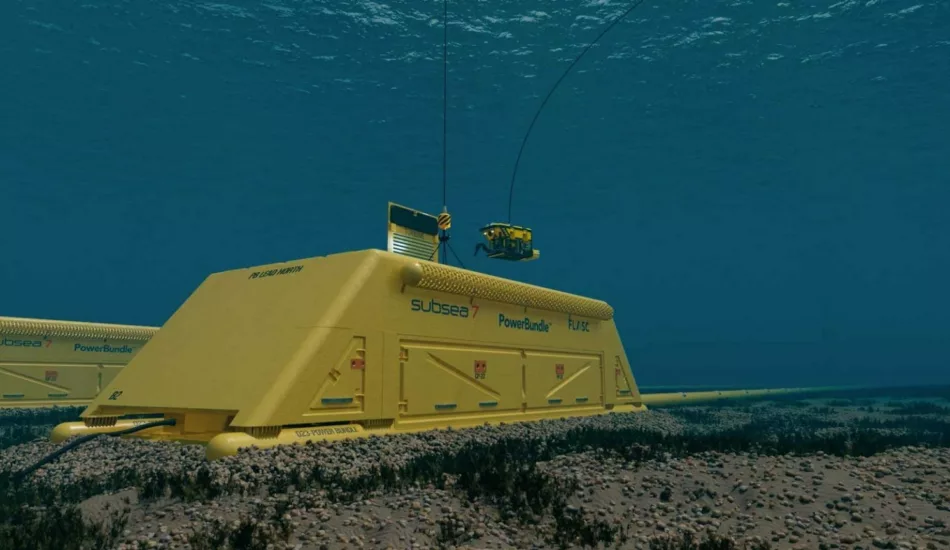
La batería submarina de FLASC, en la que se almacena aire comprimido y agua de mar a alta presión para volver a generar electricidad | Crédito: FLASC

El sistema de almacenamiento de energía hidroneumática (Hydro Pneumatic Energy Saving) permite almacenar grandes cantidades de electricidad en parques eólicos marinos, en lugar de grandes baterías en tierra. Esto es necesario para que los parques sean más rentables y el suministro de energía más constante.

Como el sushi
“La energía eólica es como el sushi. Debes consumirla cuando esté disponible. Por eso debemos asegurarnos de que podamos consumir toda la energía eólica. Pero ¿qué pasa si no hay viento o no hay demanda de electricidad? Ese problema es uno de los principales riesgos de la transición energética en los Países Bajos”, afirma el director general y cofundador de FLASC, Daniel Buhagiar. “Nuestro sistema almacena la energía donde se genera: en el parque eólico. De esta manera, se puede suministrar energía cuando sea necesario. Queremos convertirnos en el líder mundial en el suministro de almacenamiento de energía marino con nuestro sistema”.

Tanque en el fondo (submarino)
El sistema se ubica cerca de la turbina eólica y utiliza bombas hidráulicas, recipientes a presión, turbinas, aire comprimido y agua de mar, que conforman un sistema plug & play. Si el parque eólico suministra más energía de la necesaria o más de la que la red eléctrica puede soportar, una bomba hidráulica situada en una plataforma flotante comprime aire y agua de mar a través de tuberías hasta un tanque de acero en el fondo marino, que sirve como recipiente a presión. Como resultado, la presión en ese tanque aumenta a 200 bar. De esta forma la corriente se almacena como energía hidráulica. Si no hay viento o hay muy poco, la presión en el tanque se reduce y el agua de mar y el aire comprimido accionan una turbina, que a su vez genera electricidad. De esta manera, el parque eólico también puede suministrar electricidad cuando no hay viento. Tres cuartas partes de toda la electricidad almacenada en el sistema también salen en forma de energía.

Ahorra 10 megavatios (hora)
El tanque que sirve de batería puede estar a una profundidad de 40 a 400 metros. Esto lo hace ideal para mares poco profundos como el Mar del Norte. El sistema es modular, por lo que cuantos más tanques, tuberías, turbinas y bombas, más energía podrá almacenar. FLASC supone que el sistema pronto podrá almacenar a lo largo de 10 megavatios (hora) de energía durante cuatro a doce horas. Es posible ajustar la capacidad de almacenamiento, dependiendo de las unidades colocadas en el parque eólico. “Podemos almacenar mucha energía en nuestro sistema compacto. En un parque eólico con cien aerogeneradores, se necesitan entre ocho y diez, uno por fila de turbinas”, afirma Buhagiar.

Cómo funciona la tecnología de FLASC (video)


300 millones de ingresos
Según (Buhagiar), esta forma de almacenamiento es más económica que el almacenamiento en baterías en tierra y permite aprovechar el espacio que ya está disponible en los parques eólicos. Además, el propietario de un parque eólico puede vender su electricidad a precios más altos porque puede almacenarla hasta que haya más demanda. FLASC ya ha firmado siete cartas de intención con importantes promotores de parques eólicos como Ørsted y SSE Renewables. "Quieren comprar nuestra tecnología para aumentar su rendimiento en un 20 por ciento y mejorar el negocio de sus parques eólicos", dice Buhagiar. "Ahora nos centramos en el Mar del Norte, donde nuestra tecnología puede generar 300 millones de euros al año hasta 2030".

Más empresas ocupadas en el tema
Varias empresas participan en el almacenamiento de energía eólica marina. La empresa escocesa Verlume almacena el exceso de energía en una batería submarina de iones de litio. La empresa de Groninga Ocean Grazer quiere almacenar energía en depósitos de agua a alta presión bajo el fondo marino. Esta última se parece un poco a la tecnología de FASC, pero la puesta en marcha ya ha recorrido un largo camino. La tecnología de FLASC ya demostró su eficacia en una prueba en Malta en 2017 y está patentada en Europa, China, Japón y Estados Unidos. La empresa de Delft ya ha recaudado 5 millones en inversiones para patentes, pruebas, construcción del primer prototipo y la necesaria certificación por parte de DNV. Actualmente, FLASC está recaudando fondos nuevamente.
Tres cuartas partes de la energía del viento
Los Países Bajos se centran principalmente en los parques eólicos marinos para su futura energía verde. El Acuerdo sobre el Clima estipula que se deberían instalar 21 gigavatios de parques eólicos marinos de aquí a 2030. Estas turbinas suministran entonces tres cuartas partes de toda la electricidad y el 16 por ciento de toda la energía. El primer hito, 4,7 gigavatios de potencia, ya se alcanzó a finales del año pasado.
Imagen
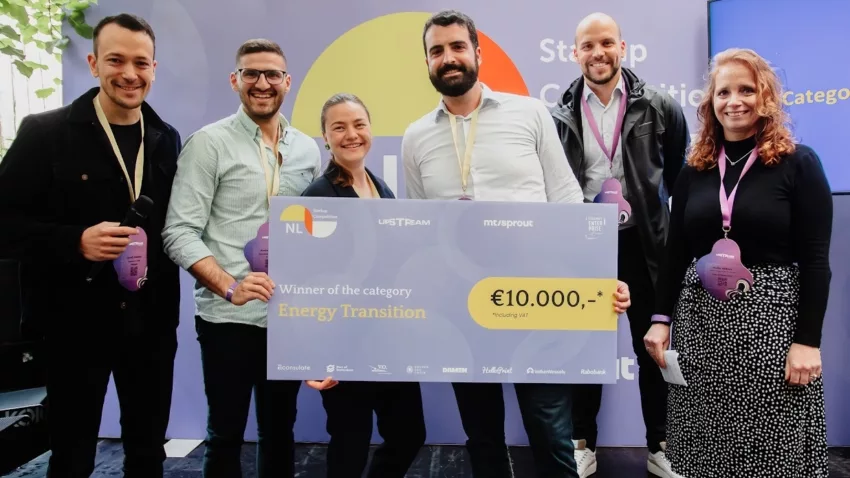
El director ejecutivo y cofundador de FLASC, Daniel Buhagiar, aceptó el cheque durante el evento Upstream | Crédito: Upstream

Inventor del año
FLASC ha sido nominada al Premio al Inventor Europeo que concederá la Oficina Europea de Patentes el próximo 9 de julio. También ganó la competencia de startups que MT/Sprout organizó durante el Upstream en Rotterdam el miércoles 29 de mayo en la categoría de transición energética. Esto incluía un cheque de 10.000 euros.

https://www.change.inc/energie/windpark ... e=hs_email
Fermat
Mensajes: 1967
Registrado: Mié Mar 02, 2022 5:42 am

Re: Notas de energías renovables

Mensaje por Fermat »

Hydrogen Production with Only Solar Power and Agricultural Waste
Reviewed by Lexie Corner, 31/05/2024

A multi-institutional team led by engineer Meenesh Singh of the University of Illinois Chicago developed a novel technique for producing hydrogen gas from water using solar power and agricultural waste, such as manure or husks. These findings were published in Cell Reports Physical Science.

https://d3hnfqimznafg0.cloudfront.net/i ... 953439.jpg
Associate Professor Meenesh Singh and postdoctoral researcher Rohit Chauhan work in Singh’s laboratory at the University of Illinois Chicago. Image Credit: Jenny Fontaine/ UIC

The technique reduces the energy required to extract hydrogen from water by 600 %, opening up new possibilities for the creation of environmentally friendly, sustainable chemicals.

Hydrogen-based fuels are among the most promising sources of sustainable energy. However, creating pure hydrogen gas is an energy-intensive process that frequently necessitates coal, natural gas, and considerable amounts of electricity.

The approach employs biochar, a carbon-rich material, to reduce the amount of electricity required to convert water to hydrogen. The technique can reduce greenhouse gas emissions to zero by utilizing renewable energy sources such as solar or wind power and collecting byproducts for other purposes.
We are the first group to show that you can produce hydrogen utilizing biomass at a fraction of a volt. This is a transformative technology.
Meenesh Singh, Associate Professor, Department of Chemical Engineering, University of Illinois Chicago
Electrolysis, the process of converting water into hydrogen and oxygen, necessitates an electric current. At the industrial scale, fossil fuels are generally used to create power.

Recently, scientists reduced the voltage required for water splitting by incorporating a carbon source into the process. However, this method also consumes coal or costly chemicals and emits carbon dioxide as a byproduct.

Singh and colleagues modified this procedure to utilize biomass derived from common waste products. They produce a slurry-like material known as biochar, which is high in carbon, by combining sulfuric acid with sewage, animal waste, or agricultural waste.

The researchers experimented with several types of biochar generated from sugarcane husks, hemp waste, paper waste, and cow dung. When added to the electrolysis chamber, all five biochar types lowered the power required to convert water to hydrogen. The most efficient performer, cow dung, reduced the electrical need by sixfold to about a fifth of a volt.

The energy needs were low enough that the researchers could power the process with a single ordinary silicon solar cell that produced around 15 milliamps of current at 0.5 volts. That is less than the power output of an AA battery.
It is very efficient, with almost 35 % conversion of the biochar and solar energy into hydrogen. These are world record numbers; it’s the highest anyone has demonstrated.
Rohit Chauhan, Study Co-Author and Postdoctoral Scholar, University of Illinois, Chicago
To make the process net-zero, the carbon dioxide produced during the reaction must be collected. However, Singh believes this might have both environmental and economic benefits, such as creating pure carbon dioxide to carbonate drinks or turning it into ethylene and other chemicals used in plastic manufacture.
It not only diversifies the utilization of biowaste but enables the clean production of different chemicals beyond hydrogen. This cheap way of making hydrogen could allow farmers to become self-sustainable for their energy needs or create new streams of revenue.
Nishithan Kani, Study Co-Lead Author and Graduate Student, University of Illinois, Chicago
Orochem Technologies Inc., the study’s sponsor, has submitted patent applications for its biochar and hydrogen production techniques, and the UIC team intends to test the procedures on a wide scale.

UIC graduate student Rajan Bhawnani co-authored the study. Other co-authors come from Stanford University, Texas Tech University, Indian Institute of Technology Roorkee, Korea University, and Orochem Technologies Inc.

Journal Reference:
Kani, N. C., et al. (2024) Sub-volt conversion of activated biochar and water for H2 production near equilibrium via biochar-assisted water electrolysis. Cell Reports Physical Science. doi: 10.1016/j.xcrp.2024.102013

https://www.azocleantech.com/news.aspx?newsID=34920
Fermat
Mensajes: 1967
Registrado: Mié Mar 02, 2022 5:42 am

Re: Notas de energías renovables

Mensaje por Fermat »

Casi una nota de prensa, pero de interés.

90-GWh thermal energy storage facility could heat a city for a year
Paul Ridden, 09/04/2024

Imagen
Three underground caverns measuring 300 meters in length will each store hot water at pressure, ready for release into the city's district heating network when needed Vantaan Energia

An energy supplier in Finland has announced the upcoming construction of an underground seasonal thermal energy storage facility about the size of two Madison Square Gardens that could meet the heating demands of a medium-sized city for up to a year.

Though renewable energy systems play an important part in the supply matrix, the wind doesn't always blow and long days of sunshine are not guaranteed. We've seen a number of energy storage solutions being proposed to deal with the intermittent nature of such setups over the years, including a hibernating battery, rechargeable aluminum, and an industrial-scale sand battery.

"The world is undergoing a huge energy transition," said Vantaan Energia's CEO, Jukka Toivonen. "Wind and solar power have become vital technologies in the transition from fossil fuels to clean energy. The biggest challenge of the energy transition so far has been the inability to store these intermittent forms of energy for later use. "Unfortunately, small-scale storage solutions, such as batteries or accumulators, are not sufficient; large, industrial-scale storage solutions are needed."

The company's solution for the city of Vantaa in the south of Finland is to construct huge underground caverns to store thermal energy, which can then be pumped to homes and business via an existing district heating network when needed.


The seasonal heat storage - Vantaa Energy

The project has a total volume of 1.1 million cubic meters (38.85 million cubic feet), including processing facilities, and will be built into the city's bedrock at around 100 m (330 ft) below ground – though the deepest parts of the setup could go down as far as 140 m. Three caverns will be created, each measuring 300 m (984.25 ft) in length, 40 m (131.2 ft) in height and 20 m (65.6 ft) in width.

These will be filled with hot water by a pair of 60-MW electric boilers, powered by renewables when it's cheap to do so. Pressure within the space allows for temperatures to get as high as 140 °C (284 °F) without the water boiling over or steaming away. Waste heat from industry will also feed the setup, with a smart control system balancing energy sources.

The Varanto facility is reported to have a total thermal capacity of 90 GWh when "fully charged" – enough to meet the year-round domestic heating needs of a "medium-sized Finnish city."

Imagen
The seasonal thermal energy storage facility underneath Vantaa in southern Finland is reported to have the equivalent energy capacity of 1.3 million electric car batteries Vantaan Energia

The majority of the homes in Finland's fourth most populated municipality are hooked up to the city's 600-km-plus (373-mile) underground district heating network, where hot water is pumped through a closed two-pipe system and into heat exchangers at each building. Once the heat transfer has taken place, the cooled water is then piped back to the production plant and reheated so the cycle can begin again.

The Nordic country is reported to be the largest producer of district heating in the region – in relation to population – and generated some 37.3 terawatt-hours in 2023, with more than half sourced from renewables and 14% coming from waste heat.

In Vantaa, a waste-to-energy plant that burns a mix of non-recyclable domestic and commercial/industrial waste, plus the wood-fueled Martinlaasko Power Plant, are responsible for providing the heat for the local network at the moment. A high-temperature incineration plant that can take in hazardous waste will come online next year.

The Varanto seasonal thermal energy storage facility is expected to enter the mix from 2028, with construction of the entrance due to start in a few months from now. Though reported to enable "cost-effective storage of renewable energy and waste heat on an industrial scale," actual figures or estimates are yet to be revealed.

Vantaan Energia estimates the build cost to come in at 200 million euros, with the Finnish Ministry of Economic Affairs and Employment already topping up the project pot with a grant of €19 million. The video below gives a brief overview.


Varanto - World's Largest Cavern Thermal Energy Storage (Vantaa, Finland)

Source: Vantaan Energia

https://newatlas.com/energy/varanto-sea ... y-storage/
Última edición por Fermat el Jue Jun 06, 2024 10:45 am, editado 1 vez en total.
Fermat
Mensajes: 1967
Registrado: Mié Mar 02, 2022 5:42 am

Re: Notas de energías renovables

Mensaje por Fermat »

Researchers at uOttawa boost efficacy of solar panels
Bernard Rizk, 07/05/2024

Imagen
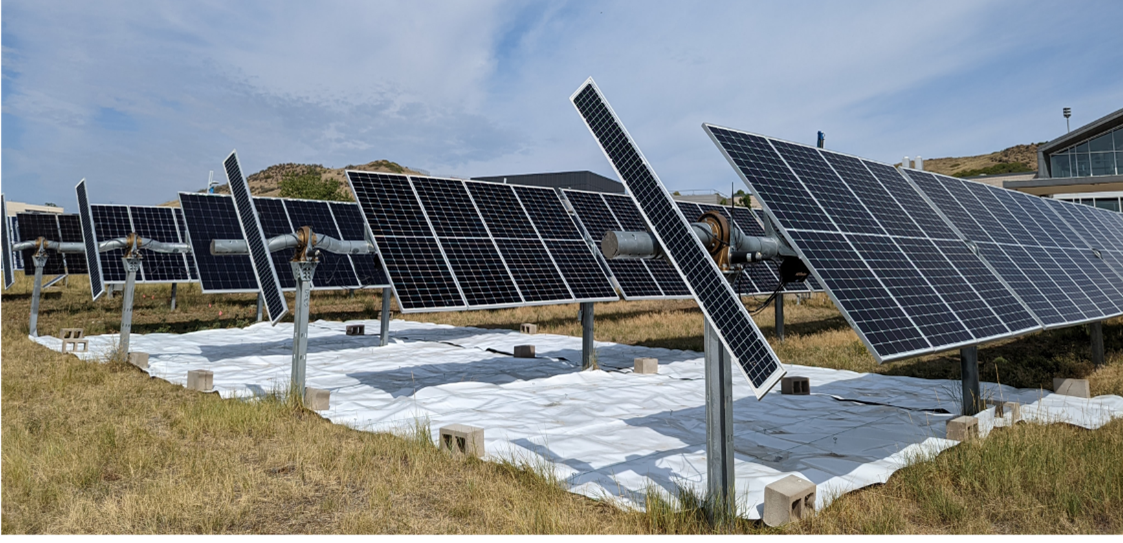
Artificial reflector experiment performed on the Bifacial Experimental Single-Axis-Tracking Site (BEST Site) at NREL in Golden, Colorado

Solar energy is a crucial asset in the fight against climate change, and researchers at the University of Ottawa have devised a smart approach to optimize its effectiveness. Their innovative method includes incorporating artificial ground reflectors, a simple yet powerful enhancement.
The researchers found that by integrating these reflectors into solar setups, they could improve the system’s energy production and efficiency, making such projects more economically viable. This discovery is significant in assessing the costs and benefits of using artificial reflectors in solar energy ventures.

To study how reflective ground covers affect solar energy output, the University of Ottawa’s SUNLAB, led by electrical engineering Professor Karin Hinzer, who is also vice-dean, research of the Faculty of Engineering, collaborated with the National Renewable Energy Laboratory (NREL) in Golden, Colorado, a world leader in clean energy research, development, and deployment. The study, which was conducted by electrical engineering doctoral candidate Mandy Lewis in Golden, Colorado, found that placing reflective surfaces under solar panels can increase their energy output by up to 4.5%.

“We found that highly reflective white surfaces can boost solar power output,” explains Mandy Lewis, the paper’s lead author. “Critically, these reflectors should be placed directly under the solar panels, not between rows, to maximize this benefit.”
“We found that highly reflective white surfaces can boost solar power output”
Mandy Lewis-Electrical engineering doctoral candidate & the paper’s lead author
Unlocking solar potential in Canada and beyond
These findings are particularly significant in Canada, where snow cover persists for three-to four months of the year in major cities like Ottawa and Toronto, and 65% of the country’s vast landmass experiences snow cover for over half the year. Bifacial solar systems, paired with high ground reflectivity, offer tremendous potential in these regions. Additionally, given that approximately 4% of the world’s land areas are classified as sandy deserts, this finding has global applications.

According to Lewis, “this research is crucial for maximizing solar energy production in geographically diverse locations. Furthermore, by generating more power per unit of land area, reflectors are ideal for densely populated areas, like city centres, where space limitations exist for solar installations.”

This study marks the beginning of a new international research collaboration between the University of Ottawa and NREL. The project was funded by the National Sciences and Engineering Research Council of Canada (NSERC), Ontario Graduate Scholarships (OGS), and the US Department of Energy (DoE), underscoring the importance of collaborative efforts in advancing renewable energy technologies.

Global impact in facilitating the transition to clean energy
This research will contribute significantly to the global transition to zero-emission power sources. These findings hold particular value for Canada and other countries that are typically cloudy, since power gains of 6.0% were observed in cloudy Seattle compared to 2.6% in arid Tucson.

The study “Artificial Ground Reflector Size and Position Effects on Energy Yield and Economics of Single Axis Tracked Bifacial Photovoltaics” was published in Progress in Photovoltaics journal.

https://www.uottawa.ca/about-us/media/n ... lar-panels
Fermat
Mensajes: 1967
Registrado: Mié Mar 02, 2022 5:42 am

Re: Notas de energías renovables

Mensaje por Fermat »

Tratamiento térmico innovador para células solares más eficientes
Redacción de Enerzine, 25/05/2024

Las células solares basadas en puntos cuánticos de PbS pronto podrían mejorar significativamente su eficiencia gracias a un nuevo método de tratamiento térmico desarrollado por un equipo de investigadores coreanos.

Un equipo coreano dirigido por el profesor Jongmin Choi del Departamento de Ciencia e Ingeniería Energética (DGIST) ha desarrollado un "punto cuántico PbS" capaz de mejorar rápidamente la conductividad eléctrica de las células solares.

Los investigadores han identificado un método para mejorar la conductividad eléctrica utilizando luz "en forma de pulso", que genera una cantidad sustancial de energía de forma concentrada a intervalos regulares. Este método podría sustituir el proceso de tratamiento térmico, que requiere mucho tiempo para lograr el mismo resultado. Se espera que este enfoque facilite la producción y comercialización de células solares de puntos cuánticos de PbS en el futuro.

Puntos cuánticos de PbS: una solución prometedora
Los puntos cuánticos de PbS son materiales semiconductores a nanoescala que son objeto de investigación activa para el desarrollo de células solares de próxima generación. Pueden absorber una amplia gama de longitudes de onda de la luz solar, incluida la luz ultravioleta, la luz visible, el infrarrojo cercano y el infrarrojo de onda corta. Además, tienen excelentes propiedades fotoeléctricas y bajos costos de producción gracias al procesamiento de la solución.

La fabricación de células solares de puntos cuánticos de PbS implica varios pasos. Hasta hace poco, el tratamiento térmico se consideraba un paso esencial porque permitía recubrir eficientemente una capa de puntos cuánticos sobre un sustrato y tratar térmicamente el material para aumentar su conductividad eléctrica.

Sin embargo, cuando los puntos cuánticos de PbS se exponen a la luz, el calor y la humedad, la formación de defectos en su superficie puede acelerarse, lo que lleva a la recombinación de cargas y al deterioro del rendimiento del dispositivo. Este fenómeno dificulta su comercialización.

Una solución innovadora para eliminar defectos superficiales
Para evitar la formación de defectos en la superficie de los puntos cuánticos de PbS, el equipo dirigido por el profesor Jongmin Choi propuso un tratamiento térmico que expone los puntos a la luz durante unos pocos milisegundos. Las técnicas convencionales para el tratamiento térmico de capas de puntos cuánticos de PbS implican calentarlas durante decenas de minutos a altas temperaturas utilizando placas calientes, hornos, etc.

La técnica de "tratamiento térmico por impulsos" propuesta por el equipo de investigación supera las deficiencias del método existente mediante el uso de luz intensa para completar el proceso de tratamiento térmico en milisegundos. Esto permite eliminar defectos superficiales y prolongar la vida útil de las cargas (electrones, huecos) que generan la corriente eléctrica. Además, este método logra una alta eficiencia.

Perspectivas prometedoras para el futuro
"A través de esta investigación, pudimos mejorar la eficiencia de las células solares mediante el desarrollo de un nuevo proceso de tratamiento térmico que puede superar las limitaciones del proceso de tratamiento térmico de puntos cuánticos existente", añadió el profesor Jongmin Choi del Departamento de Ciencia e Ingeniería Energética de DGIST. "Además, el desarrollo de un proceso de puntos cuánticos con un excelente efecto ondulatorio debería facilitar la aplicación generalizada de esta tecnología a una variedad de dispositivos optoelectrónicos en el futuro", añadió.

Artículo: «Suppression of Thermally Induced Surface Traps in Colloidal Quantum Dot Solids via Ultrafast Pulsed Light» (NB! Por subscripción)

Los resultados se publicaron en línea en la revista internacional "Small" (co-primeros autores: Eonji Lee, estudiante de doctorado, Departamento de Ciencia e Ingeniería Energética, DGIST, y Wonjong Lee, estudiante de maestría integrada, Departamento de Ingeniería Energética, Universidad Nacional de Chungnam) .

https://www.enerzine.com/un-traitement- ... 32-2024-05

(Un artículo del tema: Que son los puntos cuánticos?.)
Fermat
Mensajes: 1967
Registrado: Mié Mar 02, 2022 5:42 am

Re: Notas de energías renovables

Mensaje por Fermat »

Un electrolizador sin membrana hace el hidrógeno verde tan barato como el gris
André Oerlemans, 07/06/2024

Producir hidrógeno verde con electricidad procedente del sol y el viento es ahora entre tres y cuatro veces más caro que el hidrógeno gris a partir de gas natural. Avoxt está desarrollando electrolizadores sin membrana que pueden producir hidrógeno verde de forma más rápida y económica, llegando al mismo precio que el (hidrógeno) gris. La start-up holandesa quiere acelerar revolucionariamente la transición energética.

Imagen
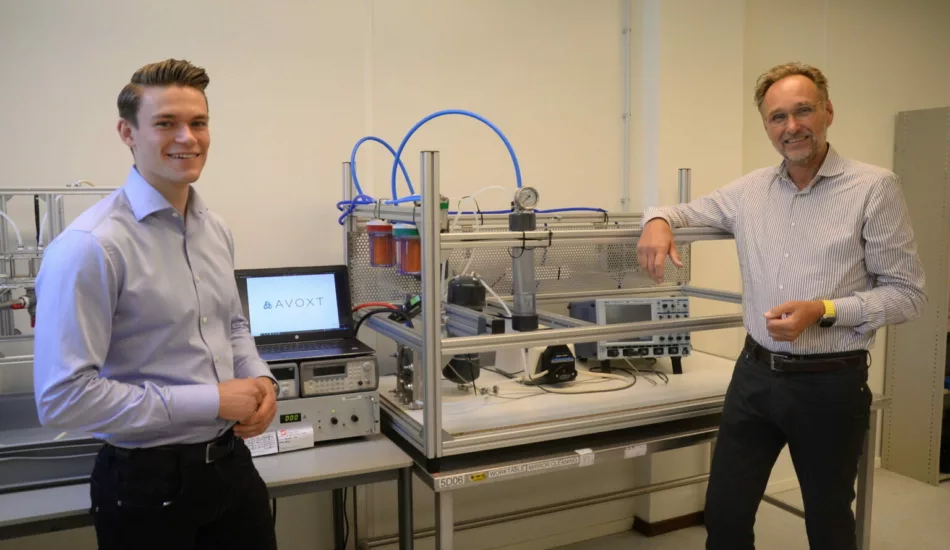
Los fundadores Pascal van Bakel (izquierda) y Ton Rademaker (derecha) de Avoxt en su laboratorio. | Crédito: AVOXT

La innovadora startup, ubicada en el campus de alta tecnología de Eindhoven, surgió en 2022 de HighTechXL, que ayuda a crear empresas tecnologicas. Avoxt utiliza tecnología que recibió y adaptó del renombrado instituto de investigación CERN en Suiza. La tecnología está probada en el laboratorio. Ese electrolizador puede producir 100 vatios de hidrógeno verde. "Ahora estamos trabajando en un proyecto piloto de 200 kilovatios que debería estar operativo el próximo año, pero en última instancia tenemos que alcanzar una producción de megavatios", afirma el director Ton Rademaker, que fundó la empresa junto con Pascal van Bakel.

Se necesitan 100 gigavatios
Actualmente, el hidrógeno se utiliza principalmente para fabricar productos químicos como plástico y plástico. Sólo el 2 por ciento se utiliza para generar electricidad o energía. El 96 por ciento del hidrógeno actual se produce a partir de gas natural, que se llama hidrógeno gris. Para reducir las enormes emisiones de CO2 de esa producción, Europa quiere pasar al hidrógeno verde, el cual se fabrica mediante electrolizadores a partir de energía verde procedente de turbinas eólicas y paneles solares y puede utilizarse como combustible para la industria química y para almacenar energía. Por tanto, el hidrógeno verde desempeña un papel importante en la transición energética holandesa y europea. Los Países Bajos quieren tener 8 gigavatios de capacidad de electrólisis en 2032, Europa 100 gigavatios en 2030. A modo de comparación, la capacidad mundial actual de electrolizadores es aproximadamente 2,5 gigavatios.

Hidrógeno verde asequible
Avoxt quiere acelerar ese proceso. “Soy abuelo y me preocupa el futuro de mis nietos por el cambio climático. Quiero hacer algo al respecto. Puedo comprar un coche eléctrico, comer poca o ninguna carne, pero eso tiene poco impacto a escala global. Por eso estoy trabajando con mi cofundador Pascal en electrolizadores para producir hidrógeno verde asequible”, explica Rademaker.

Menos mantenimiento
El gran problema del hidrógeno verde es que sigue siendo muy caro. El hidrógeno gris cuesta actualmente entre 2 y 3 euros el kilo. El hidrógeno verde procedente de electricidad verde cuesta entre 8 y 12 euros el kilo, es decir, de tres a cuatro veces más. Avoxt abarata los electrolizadores eliminando el platino y las membranas, para un trabajo más eficiente. Un electrolizador convencional utiliza una media de 55 kilovatios hora de electricidad por kilo de hidrógeno verde, mientras que el de Avoxt utiliza sólo 43 kilovatios hora. También requieren menos mantenimiento, pues en los electrolizadores convencionales, la membrana debe sustituirse cada tres o cuatro años. Quitar esa pieza significa entre un 70 y un 80 por ciento menos de costos.

1 euro el kilo
Los costes de producir hidrógeno verde caerán entonces, dependiendo del precio de la electricidad, por debajo de los 3 euros por kilo, el precio actual del hidrógeno gris. Según Rademaker, también llegará un momento en el que la energía verde para los electrolizadores será gratuita, por ejemplo cuando las turbinas eólicas y los paneles solares produzcan más de lo que la red necesita o puede soportar en días ventosos y soleados. "Si se coloca un electrolizador Avoxt al lado de un parque solar o eólico de este tipo, se puede producir hidrógeno verde por 1 euro el kilo", afirma. Pronto podrá demostrarlo cuando su electrolizador se coloque junto a una turbina eólica en Veghel.

Sin membrana
Durante la electrólisis, el agua se separa en oxígeno e hidrógeno mediante electricidad. La membrana sólo deja pasar el hidrógeno y asegura que permanezca separado del oxígeno, porque si esos gases se juntan, las cosas pueden explotar. Entonces, ¿cómo se puede producir hidrógeno sin membrana? "Nos aseguramos de que el hidrógeno y el oxígeno se produzcan puntos separados de los electrolizadores, de modo que los gases nunca puedan tocarse entre sí", explica Rademaker.

Como trabaja la tecnología de Avoxt:


Clientes suficientes
Avoxt quiere vender sus electrolizadores a empresas que los usarán para producir su propio hidrógeno verde. Según la startup, no faltan clientes potenciales. La industria química utiliza ahora hidrógeno gris y debe sustituirlo por hidrógeno verde antes de 2030. Los proveedores de gas también deben cambiar a gases no fósiles. Rademaker también piensa en empresas que suministran hidrógeno verde como combustible para el transporte libre de emisiones en camiones, autobuses y trenes y, en el futuro, quizás también en aviones que vuelen con hidrógeno. El hidrógeno también se puede utilizar para la producción de acero ecológico. Tata Steel, por ejemplo, quiere hacerlo.

Aumentar la escala
Rademaker quiere ampliar y ampliar su equipo, pero tiene problemas para encontrar personal capacitado. Según él, esto se debe a que el fabricante de máquinas de chips ASML reúne a todos los técnicos que la empresa puede encontrar en la región de Eindhoven. Sin embargo, Avoxt quiere vender sus electrolizadores a nivel mundial en cinco años. Para crecer, la empresa busca inversores y proyectos piloto para demostrar su tecnología.

https://www.change.inc/energie/elektrol ... ijze-41043
Fermat
Mensajes: 1967
Registrado: Mié Mar 02, 2022 5:42 am

Re: Notas de energías renovables

Mensaje por Fermat »

Casi como una nota de prensa.

Fast-charging sodium-ion battery uses anodes made from trees
C.C. Weiss, 09/06/2024

Imagen
Lignode is a carbon substance that Stora Enso and Altris are teaming to use to replace anode graphite Stora Enso

A month after Natron Energy began its first-of-kind sodium-ion battery mass production, Swedish sodium-ion developer Altris has identified a means of making the lithium-free batteries even more sustainable. Together with partner Stora Enso, it's adapting tree pulp-sourced carbon toward use as an anode material.

A byproduct of wood pulp manufacturing, lignin has long been investigated for possible use as a more sustainable electrode material. Finnish renewable materials company Stora Enso made headlines in 2022 when it partnered up with Swedish battery manufacturer Northvolt toward using its proprietary Lignode material in lithium-ion battery anodes. Stora Enso describes Lignode as a hard carbon material refined from lignin.

By teaming with Altris, Stora Enso looks to go even more sustainable while further localizing the European battery supply chain. As we looked at when Natron Energy kicked off production a few weeks ago, sodium-ion batteries eliminate the need for rare minerals like lithium, cobalt and nickel, relying on abundant sodium that can be sourced locally without harmful mining.

Imagen
The raw lignin is refined into hard carbon powder that's used to create electrode sheets for use in the battery anode Stora Enso

By swapping the graphite typically used in anode construction with natural byproduct-sourced Lignode, Altris and Stora Enso can further cut reliance on Chinese imports, the source of more than 90 percent of the European Union's graphite, working to secure a local EU supply chain. Stora Enso also says Lignode anodes come with the promise of faster charging and discharging rates.

Stora Enso calls itself one of the largest privately owned forests in the world, owning and leasing over 5 million acres (2 million hectares) of land. It's been processing wood pulp at its mill in Kotka, Finland for over 80 years and extracting lignin on an industrial scale since 2015. It began pilot production of Lignode in 2021 and is now working to expand to commercial scale.

The company points out that 20 to 30 percent of a tree is composed of lignin, making it abundantly available and readily replaceable with sustainable forest management practices, going so far as to say the Lignode-inclusive Altris sodium-ion cells have the potential to become the world's most sustainable battery.

"Bio-based materials are key to improving the sustainability of battery cells," Stora Enso senior VP Juuso Konttinen said in the joint announcement this week. "With Lignode having the potential to become the most sustainable anode material in the world, this partnership with Altris aligns perfectly with our common commitment to support the ambition of more sustainable electrification."

Over on the other side of the battery cell, Altris makes its cathode out of Prussian white, made from abundant, inexpensive, non-conflict materials like iron, nitrogen, sodium and carbon. Like Natron's Prussian blue, it is free from rare, problematic minerals like lithium and cobalt.

Does a "world's most sustainable" sodium battery with wood pulp-derived anode sound too good to be true? Well, for now it is. Beyond the fact that the ink has barely dried on the collaboration announcement, Altris has yet to begin commercial production and still refers to itself as a sodium-ion battery developer and prototype manufacturer.

Last year, Altris showed a commercial-sized cell with an energy density of 160-Wh/kg, on par with the lithium-iron-phosphate (LFP) batteries used in today's electric vehicles. The cell was developed as part of a research collaboration with Northvolt. Altris CEO Björn Mårlid said at the time the company would target 200-Wh/kg moving forward.

Source: Stora Enso, Altris

https://newatlas.com/energy/wood-based- ... n-battery/
Fermat
Mensajes: 1967
Registrado: Mié Mar 02, 2022 5:42 am

Re: Notas de energías renovables

Mensaje por Fermat »

The U.S. Battery Boom Is Revolutionizing Renewable Energy
Felicity Bradstock, 15/05/2024, OilPrice

The U.S. has become a hub for battery storage projects due to government incentives and investments in battery technology.
California is leading the way in battery storage, aiming to make its grid 100% green-energy-powered by 2045.
Texas is also experiencing a boom in battery storage investment, as companies seek to capitalize on the growing renewable energy market.
energy

The U.S. has been investing heavily in boosting its battery storage capacity and developing its electric vehicle (EV) battery manufacturing capabilities, and it seems that it has paid off as the country is now home to several massive battery projects with many more in the pipeline. Since the introduction of the Biden Administration’s Inflation Reduction Act (IRA), the most far-reaching U.S. climate policy to date, public and private investment in battery storage has soared, as the country strives for a green transition.

One of the biggest gaps in renewable energy development around the globe is battery storage. As countries worldwide rapidly develop their green energy capacity, mainly through solar and wind power, there is a massive need for more battery storage to ensure these renewable energy sources become more reliable. At present, wind and solar farms only deliver power when the wind is blowing and the sun is shining, demonstrating the need for utility-scale battery storage to be rolled out to provide stable renewable power to consumers around the clock.

At present, California generates by far the most solar power in the U.S., having steadily increased its renewable energy capacity over the last decade. Until recently, solar farms in the state could not deliver a stable flow of energy to consumers due to the lack of battery storage. However, since 2020, California has installed more utility-scale batteries than anywhere else worldwide, except China. These batteries store excess energy generated during daylight hours to deliver to customers at night. Some of the batteries being used across the state are the size of shipping containers, offering an insight into the scale of these projects.

Helen Kou, the head of U.S. power analysis at BloombergNEF, stated “What’s happening in California is a glimpse of what could happen to other grids in the future.” Kou added, “Batteries are quickly moving from these niche applications to shifting large amounts of renewable energy toward peak demand periods.”

The state of California aims to make its grid 100 percent green-energy-powered by 2045, which will be hugely supported by the increase in the state’s battery storage capacity. It is thought the state will need 50 GW of battery storage to support this aim. California plans to almost triple its battery capacity by 2035. Andrés Gluski, the CEO of AES Corporation, explained “If you want more renewables on the grid, you need more batteries. It’s not going to work otherwise.”

Now, California plans to develop one of the largest battery plants in the world, to commence operations later this year. The billion-dollar Nova Power Bank, managed by independent power producer Calpine, is being developed on the site of an abandoned gas-fired power plant project. Once complete, it is expected to provide power for 680,000 households for up to four hours when fully charged. The lithium-ion battery bank will be 680 MW in size and California plans to bring 620 MW of its total capacity online this year in two phases, followed by 60 MW in 2025.

Emily Precht, the strategic origination manager at Calpine, said “This plant will help stabilize the grid, especially for reliability purposes.” Precht added, “When people get home from work and they plug in their electric cars, turn on their dishwashers and air conditioners, there is a high demand for power, (but) not as much solar production. Having something that saves the power from the middle of the day (and) moves it to a higher demand period will help make the grid more resilient.”

The rollout of battery storage has been supported immensely by greater investment in the EV sector. Over the past 10 years, as the EV industry has expanded, the cost of developing lithium-ion batteries has decreased by around 80 percent. The rollout of utility-scale battery storage has been further supported by government subsidies and other financial incentives.

California is not the only state growing its battery storage capacity, with Texas and Arizona also announcing massive new projects. In fact, over the last three years, U.S. battery storage capacity has increased tenfold to around 16,000 MW. The U.S. energy storage industry rolled out 8.7 GW of storage in the first quarter of 2024, showing a year-on-year growth of 90 percent, according to an analysis by Wood Mackenzie. There was 218.5 MW of storage deployed in the residential energy storage market. In the fourth quarter of 2023, California and Texas accounted for 77 percent of fourth-quarter additions of a total of 4.2 GW added across the country.

Texas is also experiencing a boom in battery storage investment as companies such as BlackRock, Korea's SK, and Switzerland's UBS offer huge financing packages in the hope of earning double-digit returns from the power grid once renewable energy operations become more reliable. Boosting battery storage is helping to strengthen the state’s grid, which is seen as highly valuable, particularly due to the threat of more regular severe weather events leading to power outages. Texas is expected to contribute almost a quarter of U.S. grid-scale storage over the next five years.

By Felicity Bradstock for Oilprice.com

https://oilprice.com/Energy/Energy-Gene ... nergy.html
Fermat
Mensajes: 1967
Registrado: Mié Mar 02, 2022 5:42 am

Re: Notas de energías renovables

Mensaje por Fermat »

Científicos crean un catalizador de agua tan eficiente como predice la teoría
Enerzine, 16/06/2024

Científicos estadounidenses han hecho un descubrimiento importante en el campo de la producción de hidrógeno verde. Al desarrollar un catalizador nuevo y más eficiente para la reacción de separación de oxígeno, pudieron reducir significativamente la cantidad necesaria de iridio, un metal raro y costoso. Este avance podría revolucionar la producción de hidrógeno verde, un combustible prometedor para reducir las emisiones de gases de efecto invernadero.

La producción de hidrógeno verde es un proceso complejo que requiere dos reacciones electroquímicas distintas. La reacción de separación de oxígeno, que ocurre en el ánodo del electrolizador, es la parte más difícil porque requiere un catalizador para separar los iones de hidrógeno (H+) del oxígeno (O). Actualmente, el iridio es el catalizador elegido para esta reacción, pero es raro y caro.

Un nuevo catalizador más eficiente
Científicos del Laboratorio Nacional Brookhaven y de la Universidad de Columbia han desarrollado un nuevo catalizador diseñado "de abajo hacia arriba" a partir de cálculos teóricos destinados a minimizar la cantidad de iridio necesaria y maximizar la estabilidad del catalizador en condiciones ácidas. El catalizador está compuesto por un núcleo de nitruro de titanio cubierto con capas de iridio.

Los resultados de los experimentos validaron las predicciones. El nuevo catalizador es aproximadamente cuatro veces más eficiente que el catalizador comercial actual, lo que significa que requiere cuatro veces menos iridio para producir la misma tasa de hidrógeno.

Cálculos teóricos y experimentos.
Se utilizaron cálculos de la teoría funcional de la densidad para modelar cómo diferentes capas de iridio sobre nitruro de titanio afectarían la estabilidad y actividad del catalizador en condiciones de reacción ácida de separación de oxígeno. Las simulaciones predijeron que dos o tres capas de iridio mejorarían tanto el rendimiento como la estabilidad catalítica.

Los experimentos confirmaron las predicciones. Los estudios de caracterización demostraron que la interacción entre iridio y titanio es esencial para la estabilidad y actividad del catalizador.

Perspectivas de producción en masa.
El desafío restante es producir este catalizador a gran escala. Los científicos actuales sólo pueden producir cantidades de miligramos de catalizador por lote, lo que es insuficiente para producir cantidades industriales de hidrógeno verde.

Una vez que se supere este desafío, este catalizador podría ayudar a reducir el costo de producir hidrógeno verde y acercar a los científicos a la producción de grandes cantidades de hidrógeno verde.

Article : «Theoretical Prediction and Experimental Verification of IrOx Supported on Titanium Nitride for Acidic Oxygen Evolution Reaction» https://pubs.acs.org/doi/10.1021/jacs.4c02936 (NB! por subscripción).

https://www.enerzine.com/des-scientifiq ... 87-2024-06
Fermat
Mensajes: 1967
Registrado: Mié Mar 02, 2022 5:42 am

Re: Notas de energías renovables

Mensaje por Fermat »

Casi una nota de prensa, pero de todas maneras vale la pena seguir estos desarrollos.

Los aerogeneradores flotantes y 'plegables' pueden recibir el apoyo de Bill Gates y otros inversores
Teun Schröder, 25/06/2024

La empresa estadounidense Aikido Technologies está desarrollando una turbina eólica flotante y "plegable" que puede remolcarse horizontalmente hasta un parque eólico marino. La fabricación garantiza menor costo, menor tiempo de producción y menos emisiones de CO2 durante el transporte. La empresa ya contó con el apoyo del fondo climático de Bill Gates y recientemente recaudó más de 3,7 millones de euros.

Imagen
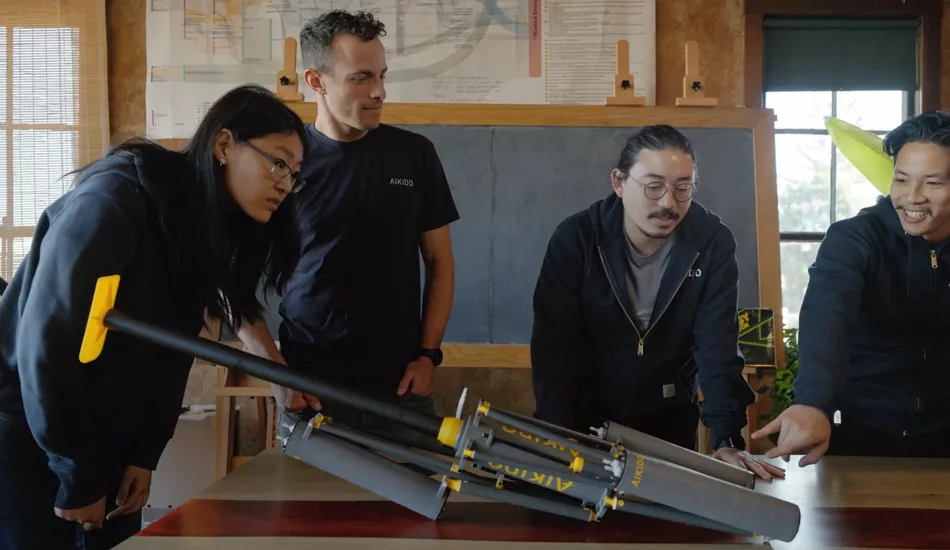
El equipo de Aikido cerca de un modelo a escala de su molino de viento flotante horizontal. | Crédito: Tecnologías de Aikido

La turbina eólica de Aikido descansa sobre una plataforma especial compuesta de de una estructura de acero plegable. Según la empresa, el área de montaje de turbina eólica requiere dos tercios menos de espacio en el astillero. El marco asegura que las turbinas eólicas flotantes puedan transportarse e instalarse rápidamente en el lugar deseado. El sistema se transporta tumbado, lo que reduce la resistencia del aire y el consume de combustible durante el remolque, además de pasar fácilmente bajo los puentes. Todo esto debería conducir a una importante reducción de costes para los parques eólicos flotantes.

Inversión de Bill Gates
La compañía de San Francisco está construyendo actualmente una primera construcción piloto, el Aikido One, con el apoyo del fondo de inversión Breakthrough Energy Fellows fundado por Bill Gates. Este modelo se probará en el Golfo de México a fin de año. La empresa consiguió recientemente recaudar otros 4 millones de dólares (3,73 millones de euros) de diversas fuentes. Aikido quiere seguir desarrollando su tecnología, ampliar el equipo e iniciar las ventas.


Ventajas y desventajas de los aerogeneradores flotantes
La ventaja de las turbinas eólicas flotantes es que no se requiere acero ni hormigón para anclar el dispositivo al fondo marino. Esto los hace más adecuadas para ubicaciones en alta mar remotas y profundas. Las turbinas flotantes también pueden girar fácilmente con el viento, de modo que siempre captan la mayor cantidad de viento sin maquinaria adicional. Un reto de los aerogeneradores marinos, y en concreto de los aerogeneradores flotantes situados lejos de la costa, es llevar la energía generada por los aerogeneradores a tierra. Cuanto más adentro estén los aerogeneradores, más largos son los cables a tierra firme.

Aerogenerador holandés de una pala
En los Países Bajos, la empresa holandesa TouchWind también está trabajando en una turbina eólica flotante que se transporta horizontalmente. La turbina de esta empresa tiene sólo una pala unida a un rotor sujeto a un mástil que cuelga oblicuo. Debajo del rotor hay una boya que evita que la pala se hunda en el agua, por ejemplo cuando apenas hay viento. Si hay mucho viento, la rotación de la pala hace que el mástil se vuelva más erguido, comparable al efecto de la pala del rotor de un helicóptero.

https://www.change.inc/energie/opvouwba ... e=hs_email
Fermat
Mensajes: 1967
Registrado: Mié Mar 02, 2022 5:42 am

Re: Notas de energías renovables

Mensaje por Fermat »

‘Self-Healing’ Solar Cells Could Become Reality
Reviewed by Bethan Davies, Jun 29 2024

Solar cells of the future could be able to withstand corrosive susceptibility by ‘self-healing’, in a break-through the scientific community has long been pursuing.

The breakthrough could pave way for more reliable and efficient perovskite solar cells contributing to the global transition towards sustainable energy solutions.

Highly efficient, lightweight, and cheap, perovskite solar cells are expected to play a leading role in the future of solar energy production, but scientists still need to make them more durable and figure out how to produce them on a larger scale.

A study published in Nature reveals a novel strategy to enhance the stability and performance of perovskite solar cells (PSCs) through a mechanism described as ‘self-healing’.

Researchers from Monash, the University of Oxford, and the City University of Hong Kong developed a novel strategy to enhance the stability and performance of perovskite solar cells (PSCs).

The innovating agent they developed dynamically heals the perovskite layer when exposed to environmental stressors such as moisture and heat, ensuring sustained device performance and longevity.

Their game-changing approach resulted in solar cells with 25.1% power conversion efficiency and remarkable stability under 1000 hours of accelerated ageing tests at 85 °C and simulated solar illumination.

“This work addresses critical issues related to defect passivation in perovskites that have hindered widespread adoption of this promising technology,” said Professor Udo Bach, study co-author and Director of Research Department of Chemical and Biological Engineering at Monash.

“Our slow-release strategy represents a significant advancement in the field of perovskite photovoltaics. By slowly releasing the passivating agents into our perovskite material, we have been able to produce solar cells not only with enhanced performance but also extended long-term stability under real-world conditions.”

“This breakthrough could pave way for more reliable and efficient perovskite solar cells contributing to the global transition towards sustainable energy solutions”.

https://www.azocleantech.com/news.aspx?newsID=34978
Fermat
Mensajes: 1967
Registrado: Mié Mar 02, 2022 5:42 am

Re: Notas de energías renovables

Mensaje por Fermat »

Una nota de prensa sobre una técnica muy interesante:

Inauguración de la primera planta industrial del mundo para la producción de combustibles solares en Brainergy Park, Jülich
20/06/2024

Imagen

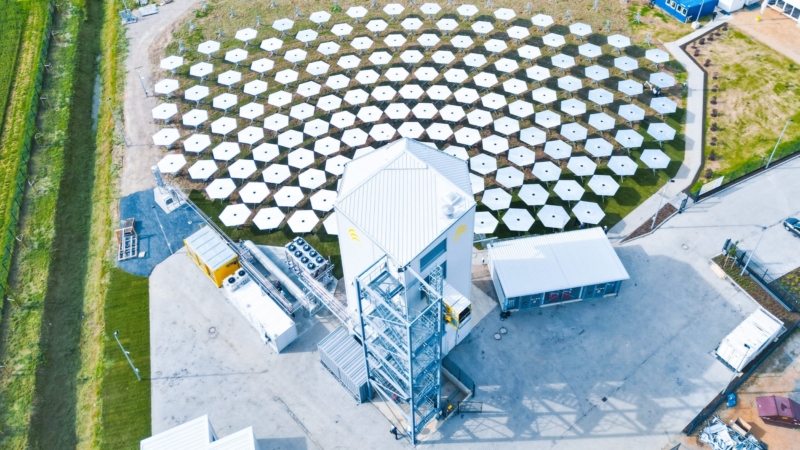
La empresa suiza Synhelion inauguró hoy en Brainergy Park Jülich la primera planta industrial del mundo, en la que se producen combustibles sintéticos a partir de calor solar. Con la apertura de la instalación, llamada DAWN, Synhelion está demostrando que la tecnología de producción de combustible solar está lista para una ampliación a gran escala.

Frank Drewes, director general de Brainergy Park Jülich GmbH: “El día de hoy es una prueba impresionante del enorme potencial de innovación de Jülich y de nuestra región. La apertura de las instalaciones DAWN demuestra una vez más que en Brainergy Park Jülich ofrecemos espacio para proyectos visionarios y tecnologías innovadoras”.

El prof. Dr. Hoffschmidt, director general de Brainergy Park Jülich GmbH, se muestra satisfecho con la introducción del innovador sistema en el parque empresarial: “La puesta en servicio del sistema DAWN es un paso hacia la transición (energética) del transporte. Los combustibles renovables producidos en Brainergy Park Jülich muestran el inmenso potencial de la energía solar para desfosilizar el sector del transporte, especialmente la aviación, y hacerlo más sostenible. Es precisamente este motivo el que encaja en los temas y visiones centrales del parque empresarial”.

DAWN consta de una torre solar de 20 metros de altura y un campo de espejos. En el sistema, todas las innovaciones desarrolladas por Synhelion se utilizan por primera vez de forma integrada a escala industrial. La torre solar contiene un receptor de radiación solar, un reactor termoquímico y un acumulador de energía térmica, que permite una producción rentable de combustible solar las 24 horas del día. DAWN es el primero en demostrar toda la cadena tecnológica, desde la luz solar concentrada hasta el combustible líquido sintético a escala industrial.

DAWN producirá varios miles de litros de combustible al año y se espera que la producción comience en 2024. El petróleo crudo sintético, llamado Syncrude, se produce directamente en la planta. Este producto intermedio es especialmente adecuado para el transporte. Luego, el sincrudo se procesa para obtener combustibles certificados en una refinería de petróleo convencional. Además de queroseno solar para la aviación, Synhelion también producirá gasolina y diésel solares para aplicaciones de transporte por carretera y marítimo. Los combustibles solares pueden reemplazar directamente a los combustibles fósiles y son totalmente compatibles con la infraestructura de combustibles existente en el mundo, desde el almacenamiento y el transporte hasta los motores de combustión interna y los motores de aeronaves.

La construcción de DAWN se realizó gracias a los inversores de Synhelion y a la financiación del programa de investigación energética del Ministerio Federal Alemán de Asuntos Económicos y Protección del Clima.

La inauguración de DAWN tuvo lugar con motivo del solsticio de verano el 20 de junio de 2024. A las celebraciones asistieron representantes de renombre de la industria y la política y visitaron el nuevo sistema de combustible solar.

Hartmut Höppner, Secretario de Estado del Ministerio Federal de Asuntos Digitales y Transportes de Alemania, dijo en su discurso: “El potencial de los combustibles sintéticos renovables es enorme. Para alcanzar los objetivos climáticos en el sector del transporte, necesitamos alternativas a los combustibles fósiles. La primera planta para la producción de combustibles solares en Alemania es un claro ejemplo de cómo las innovaciones técnicas pueden ayudar a reducir las emisiones de CO2”.

Heike Birlenbach, directora comercial de Swiss International Air Lines (SWISS), dijo: “El uso a gran escala de combustibles de aviación sostenibles es una de las medidas más importantes para alcanzar los objetivos de CO2 en la aviación. La apertura de DAWN marca un hito en este proceso. Como socios estratégicos de Synhelion, el Grupo Lufthansa y SWISS como inversor están orgullosos de apoyar el lanzamiento al mercado de los combustibles solares y felicitar a Synhelion por este extraordinario logro”.

Dr. Philipp Furler, director ejecutivo y cofundador de Synhelion, comentó: “Hoy es un día histórico en la historia de Synhelion. Con la inauguración de DAWN comienza la era de los combustibles solares: un punto de inflexión para la movilidad sostenible. Nuestro sueño fundacional de producir combustibles renovables a partir de energía solar se está haciendo realidad. Estamos increíblemente orgullosos de nuestro gran equipo y nos gustaría agradecer a todos nuestros pioneros que hicieron posible esta idea que antes parecía imposible”.

Acerca de [url=http://www.synhelion.com]Synhelion[/url]

Synhelion ofrece soluciones innovadoras para producir combustibles sostenibles. La empresa de tecnología limpia contribuye a la desfosilización del sector del transporte sustituyendo los combustibles fósiles por combustibles solares renovables. Synhelion se fundó en 2016 como una escisión de ETH Zurich y ahora comercializa la tecnología “conversión sol-líquido”. La empresa inauguró la primera instalación industrial de producción de combustible solar del mundo en Jülich, Alemania, en junio de 2024. La construcción de la primera instalación de producción comercial en España está prevista a partir de 2025.

En su camino hacia una movilidad neutra en CO2, Synhelion cuenta con el apoyo de una red Socios internacionales como Eni, Cemex, Lufthansa Group, Swiss International Air Lines, SMS Group, Wood, AMAG Group, Zurich Airport y Pilatus Flugzeugwerke.

Fuente y galería de fotos:
https://www.brainergy-park.de/allgemein ... nung-dawn/
Fermat
Mensajes: 1967
Registrado: Mié Mar 02, 2022 5:42 am

Re: Notas de energías renovables

Mensaje por Fermat »

Hyundai and LG Energy Launch Indonesia’s First EV Battery Factory
Tsvetana Paraskova - 03/07/2024

Imagen
Indonesia’s first production plant for battery cells for electric vehicles was officially launched on Wednesday by South Korean carmaker Hyundai Motor Group and battery manufacturer LG Energy Solution as the Southeast Asian country looks to take advantage of its raw material supply to move up the EV value chain.

Hyundai Motor Group partnered in 2021 with LG Energy Solution to build an EV battery cell plant in Karawang, near the Indonesian capital Jakarta. The companies invested $1.1 billion in the plant and each owns a 50% stake in the joint venture. The factory will have an annual capacity of 10 gigawatt hours (GWh) worth of battery cells, enough for over 150,000 battery electric vehicles.
According to Hyundai’s plans, the battery cell JV will help Hyundai and Kia secure a stable supply of EV batteries at a competitive price for upcoming battery electric vehicles (BEVs).

The EV battery plant is integrated with Hyundai’s car manufacturing plant, where it expects to begin production of 50,000 units per year of Kona Electric, an SUV that would use Indonesian-made batteries.

“Mineral resources of this nation, such as iron and nickel are important components in batteries that will mobilize millions of EVs globally,” Hyundai Motor Group executive chair Euisun Chung said at the opening ceremony, commenting on Indonesia’s

Indonesia, the largest economy in the Southeast Asian bloc, looks to develop its EV production capabilities as demand grows. The government hopes to be producing 13 million electric motorcycles and 2.2 million electric cars by the end of the decade.
Indonesia has a well-established metals and minerals industry, with huge nickel reserves. Nickel is a vital component of EV battery production and sourcing it locally can help cut manufacturing costs.

Indonesia, the world’s biggest nickel miner, has been looking to develop nickel processing industries and ultimately produce batteries for EV manufacturers and is eager to attract foreign companies for those ventures.

https://oilprice.com/Latest-Energy-News ... ctory.html
Fermat
Mensajes: 1967
Registrado: Mié Mar 02, 2022 5:42 am

Re: Notas de energías renovables

Mensaje por Fermat »

Parece una nota de prensa traducida, pero puede ser una gran innovación.

La batería milagrosa alemana que garantiza que pronto se necesitarán menos baterías
Andre Oerlemans 0/07/2024

Una batería de estado sólido que soporta diez veces mas ciclos de carga y descarga, más durable, no se incendia y es más barata que que las baterías tradicionales de litio debido a su vida útil. La empresa alemana High Performance Battery (HPB) ha probado una con éxito y quiere lanzarla al mercado en dos o tres años.

Imagen
El director general de HPB Technology, Sebastian Heinz, con la batería de estado sólido. | Crédito: HPB

Una batería milagrosa, como ya la llamaron los medios alemanes. Son treinta años de investigación básica y la empresa ya ha solicitado cinco patentes. La batería de estado sólido de HPB puede usarse en parques solares y eólicos, para mantener el equilibrio de la red, producir hidrógeno verde y almacenar energía para empresas, hogares, edificios o barrios enteros o en estaciones de carga para vehículos eléctricos. Cada módulo de batería puede almacenar 1,28 kWh. Debido a que los módulos se pueden interconectar, la capacidad de la batería puede aumentarse a necesidad. Como batería de autos y camiones eléctricos, la HPB reduce el riesgo de incendio y aumenta la autonomía en invierno. El único ámbito no aplicable es la electrónica de consumo.

Parar el envejecimiento
En principio, la batería puede sustituir a la tradicional batería de iones de litio. ¿Qué tiene de especial? “Nuestro enfoque es completamente diferente. Nuestro enfoque original era buscar las causas del envejecimiento de la batería y eliminar ese envejecimiento. El resultado de la búsqueda de una batería de larga duración fue nuestra batería de estado sólido”, afirma Sebastian Heinz, CEO y cofundador de HPB Technology.

Nuevo electrolito
El mayor cambio se produce en el nuevo electrolito inventado por el profesor Günther Hambitzer y utilizado por HPB. En resumen, una batería consta de un polo negativo (cátodo) y un polo positivo (ánodo). El electrolito conecta esos dos polos y garantiza el flujo de electricidad. En las baterías de iones de litio convencionales, este electrolito es líquido.

Debido a varias reacciones químicas se forma una capa durante la carga y descarga, principalmente en el ánodo. A medida que crece la capa, aumenta la resistencia interna de la batería, disminuye su capacidad y aumenta el riesgo de ignición. HPB inventó un electrolito que se produce en la celda de la batería en dos etapas. Primeramente se coloca un polvo en la celda, el cual, mediante reacciones químicas, se convierte en electrolito sólido, una vez los elementos restantes, en forma de líquido, se introducen en la celda al final del proceso de fabricación. Esto reduce el desgaste y multiplica por diez el número de ciclos de carga. También permite la producción industrial de baterías en fábricas similares a las que actualmente producen baterías de litio convencionales.

Se necesitan menos baterías
Este electrolito hace que la batería envejezca más lentamente y sea más durable (más de 12.500 ciclos de carga). Eso la hace más barata que una batería de litio. Según la pruebas, reducir la resistencia dentro de la batería, disminuye el riesgo de incendio. Al utilizar este tipo de baterías, se necesitan menos baterías con menor capacidad para entregar la misma potencia. Como resultado, se necesitan menos baterías para la transición energética y, por tanto, menos metales y materiales para fabricarlas. Heinz llama a esto la paradoja de HPB. “Al fabricar mejores baterías que duran más, se reduce la demanda de capacidad de la batería. Y cuantas menos baterías necesites, más sostenible será”, afirma.

Litio del Rin
La batería HPB no utiliza metales como el cobalto, pero sí requiere litio. La extracción de ese metal causa una importante contaminación ambiental en todo el mundo. HPB también podría utilizar litio, que, entre otras cosas, se puede filtrar del agua de manantiales geotérmicos en la zona del Rin. Ya está en marcha un proyecto de investigación al respecto. “El litio no es un recurso escaso. También se puede extraer del agua bombeada de los pozos de la región del Rin”, afirma Heinz. HPB Technology quiere que las materias primas de sus baterías provengan de las fuentes más respetuosas con el medio ambiente posible.

Producción en serie
HPB está preparando actualmente la producción en serie de la batería. Según Heinz, esto llevará dos años. "Esperamos poder entregar las baterías en 2026 o 2027", afirma. La empresa no los producirá ella misma, sino que los fabricará bajo licencia otras fábricas. Los fabricantes de automóviles también pueden utilizar sólo el electrolito de estado sólido para sus propias baterías. El electrolito HPB tiene otra ventaja: la batería sigue funcionando perfectamente a bajas temperaturas en invierno, como lo han demostrado las pruebas a -40 grados centígrados. El rendimiento de las baterías de litio convencionales cae significativamente a bajas temperaturas y la autonomía de los vehículos eléctricos se reduce casi a la mitad a 0 grados centígrados.

https://www.change.inc/energie/duitse-w ... e=hs_email
Fermat
Mensajes: 1967
Registrado: Mié Mar 02, 2022 5:42 am

Re: Notas de energías renovables

Mensaje por Fermat »

Demostración de un proceso de reciclaje eficiente para células solares de perovskita por el equipo
Redacción Enerzine, 12/07/2024

Las energías renovables están en constante evolución. Se acaba de desarrollar un nuevo método para reciclar células solares de perovskita, que ofrece nuevas perspectivas para la industria de energía solar.

El Instituto Helmholtz de Erlangen-Núremberg, adscrito al Centro de Investigación de Jülich, ha desarrollado un proceso innovador para reciclar células solares de perovskita. Los resultados del estudio demuestran una eficiencia notable: puede reutilizarse hasta el 99,97% de los materiales utilizados en una célula solar.

Este nivel de eficiencia, jamás alcanzado en el reciclaje de células de perovskita, viene acompañado de otras notables ventajas. El proceso permite obtener un rendimiento comparable al de las células nuevas, reduciendo tanto los residuos como los costes de producción.

El equipo de investigación desarrolló una técnica de extracción por solventes capa por capa. Este enfoque permite recuperar, purificar y reutilizar componentes individuales para nuevas células solares. El proceso abre el camino para un ciclo cerrado de reciclaje de módulos solares, promoviendo la preservación de los recursos y la reducción de residuos.

El método representa una ventaja significativa de las células solares de perovskita sobre las convencionales de silicio. En efecto, la separación de los componentes individuales de los módulos de silicio resulta especialmente laboriosa debido a su estructura integrada, difícil de separar, aunque esto les permite una larga vida útil.

Zhenni Wu, miembro del equipo central de investigación del Instituto Helmholtz de Erlangen-Núremberg, destaca la importancia de este estudio: “El aspecto más significativo de este artículo es su evaluación exhaustiva. Va más allá del simple desarrollo de un enfoque de reciclaje, pues evalúa cuidadosamente su efectividad, viabilidad económica e impacto ambiental”.

La energía solar juega un papel clave en la transición energética. La industria solar continúa creciendo y se espera que agregue una capacidad considerable en las próximas décadas. Aunque los módulos fotovoltaicos están diseñados para durar lo más posible, hasta ahora, al final de su vida, terminaban en los basureros con sus valiosos materiales. Esta situación no sólo resultó en pérdida de materiales y en desperdicio de ahorros potenciales.

Imagen
Una descripción general simplificada del método de reciclaje. | Copyright: Zhenni Wu

Las previsiones técnicas y económicas del estudio indican que este proceso de reciclaje presenta una importante economía potencial. En el laboratorio, el reciclaje podría reducir los costes de materiales hasta un 64%. En la producción industrial, esta reducción podría alcanzar el 61%.

Estos resultados abren perspectivas alentadoras para la industria fotovoltaica. La capacidad de reciclar eficientemente células solares de perovskita podría ayudar a que esta tecnología sea más sostenible y económicamente viable a largo plazo.

Wu, Z., Sytnyk, M., Zhang, J., Babayeva, G., Kupfer, C., Hu, J., Arnold, S., Hauch, J., Brabec, C., & Peters, I. M. (2024). Closing the loop: recycling of MAPbI_3 perovskite solar cells. Energy & Environmental Science, 17(12), 4248-4262. https://doi.org/10.1039/D4EE01071J

https://www.enerzine.com/demonstration- ... 79-2024-07
Responder